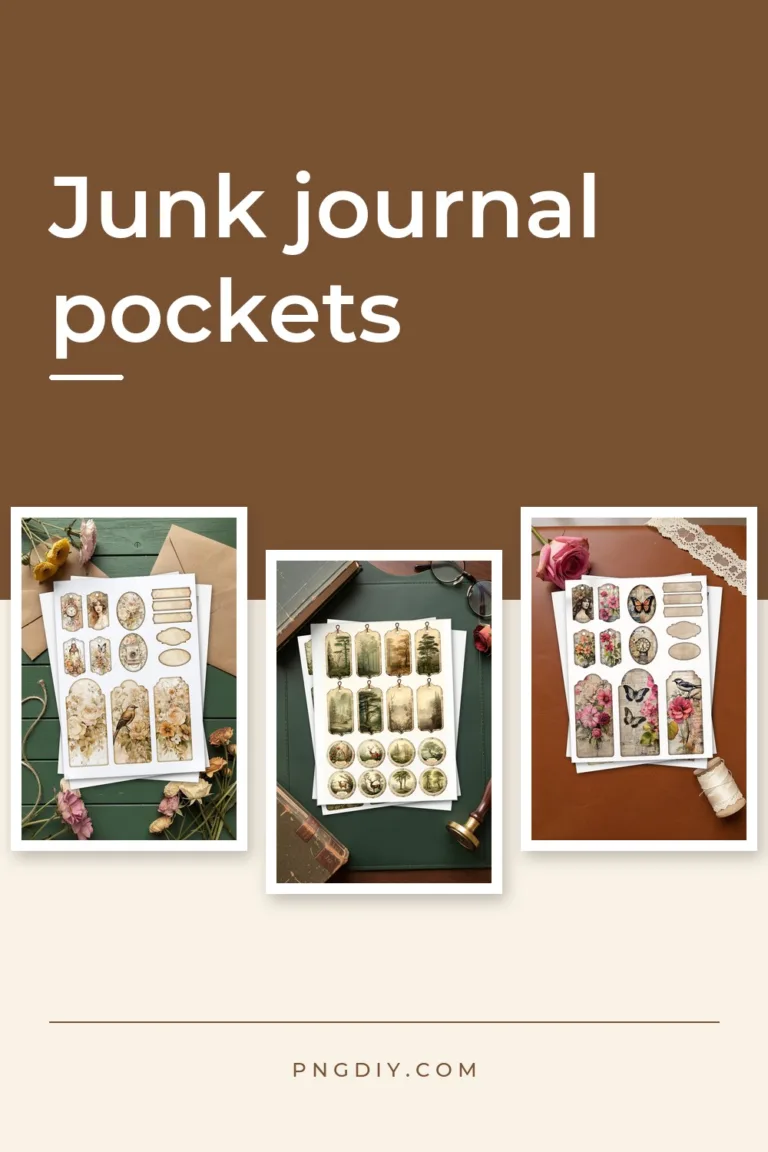
53 Junk Journal Ideas for Pages, Pockets and Prompts
A junk journal starts with the things most people throw away: a receipt, a tea tag, the inside of an envelope. The hard part is rarely the glue. It is the empty spread and the question of what to put on it.
This list answers that question 53 times. Every idea names what to collect and what to write next to it, so you can start with whatever is on the table. Nobody has to draw, and a crooked edge is part of the look.
Quick answer: a junk journal page needs three things: a background paper, something saved from the day, and one line of writing. The 53 ideas below are grouped into eight themes (everyday junk, memories, travel, fall, Christmas, winter, spring and summer). Under most themes you will find printable paper, stickers and kits that suit it.
If you would rather have one idea picked for you, the Junk Journal Idea Generator draws from the same list, adds a layout for the spread and gives the size of every pocket and tag for your journal.
Everyday junk journal ideas
These pages use what a normal week leaves behind. They are the easiest place to begin, because the material is already in your pockets, your bag and the kitchen drawer.
- Receipt diary. Keep every receipt for a week. Glue in the best ones and write what each was really for.
- Teas of the month. Save the tag from every tea bag or the sleeve from every coffee. Rate each cup out of five.
- What is in my bag. Empty your bag onto the table. Tuck in the flat things and list the rest.
- Barcode page. Cut barcodes and price labels from a week of packaging and build the page from them alone.
- Today in five things. Five small things from today: a wrapper, a note, a ticket, a label, a leaf.
- The colour of this week. Pick one colour and collect only scraps of that colour for seven days.
- Snack ranking. Wrappers of your favourite snacks, ranked from best to worst with a one-line verdict.
- Mail day. Stamps, postmarks and the patterned insides of envelopes. Note who wrote and why.
- Almost thrown away. Clothing tags, a ribbon, a paint chip, the corner of a paper bag. Say why each one stayed.
- Old lists. Glue in old shopping and to-do lists as they are. Add what actually happened.
- The junk drawer. Open the drawer every home has. Use the first six flat things you find.
- Ten found words. Cut ten words from magazines or packaging without thinking. Arrange them into a sentence.
- Favourites right now. A song, a show, a meal, a place, a scent: one scrap or small drawing for each.
- Packaging I liked. Keep a label or a box only because the design is good. Say what caught your eye.
- Old book page. Use a page from a damaged book as the background. Circle the words that sound like your week.
- Home for leftovers. One pocket for the offcuts from other pages that you could not throw out.
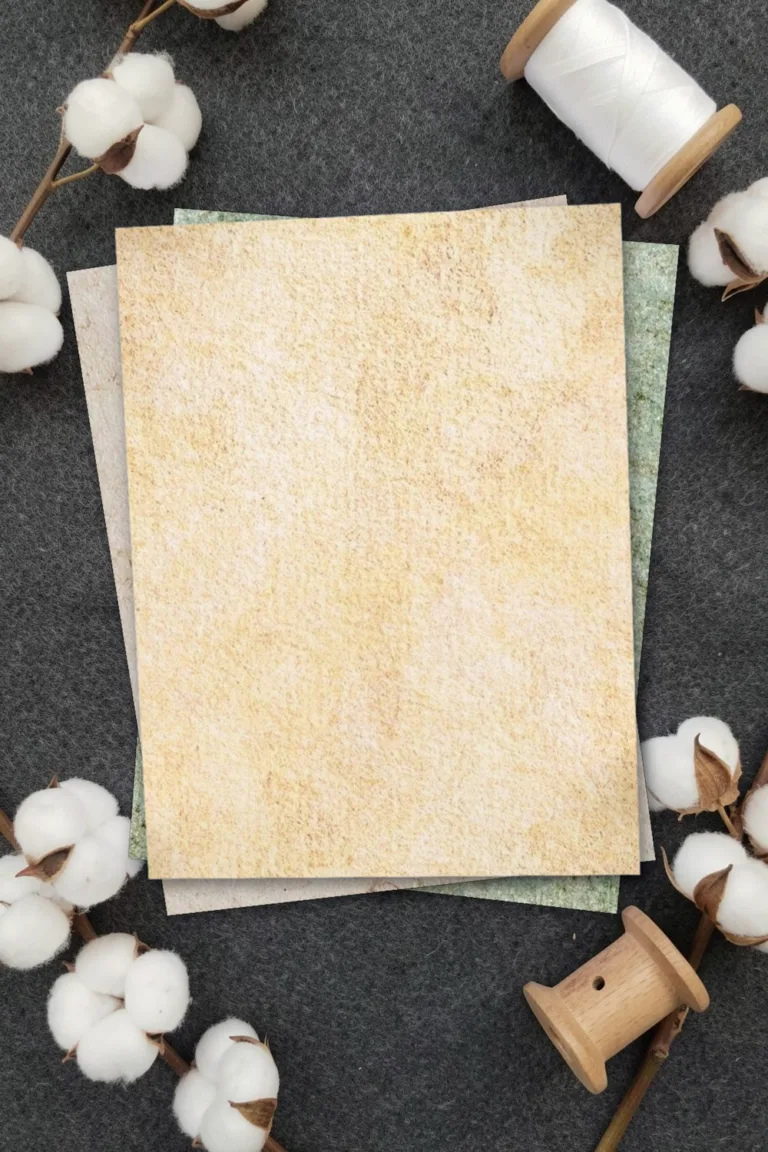
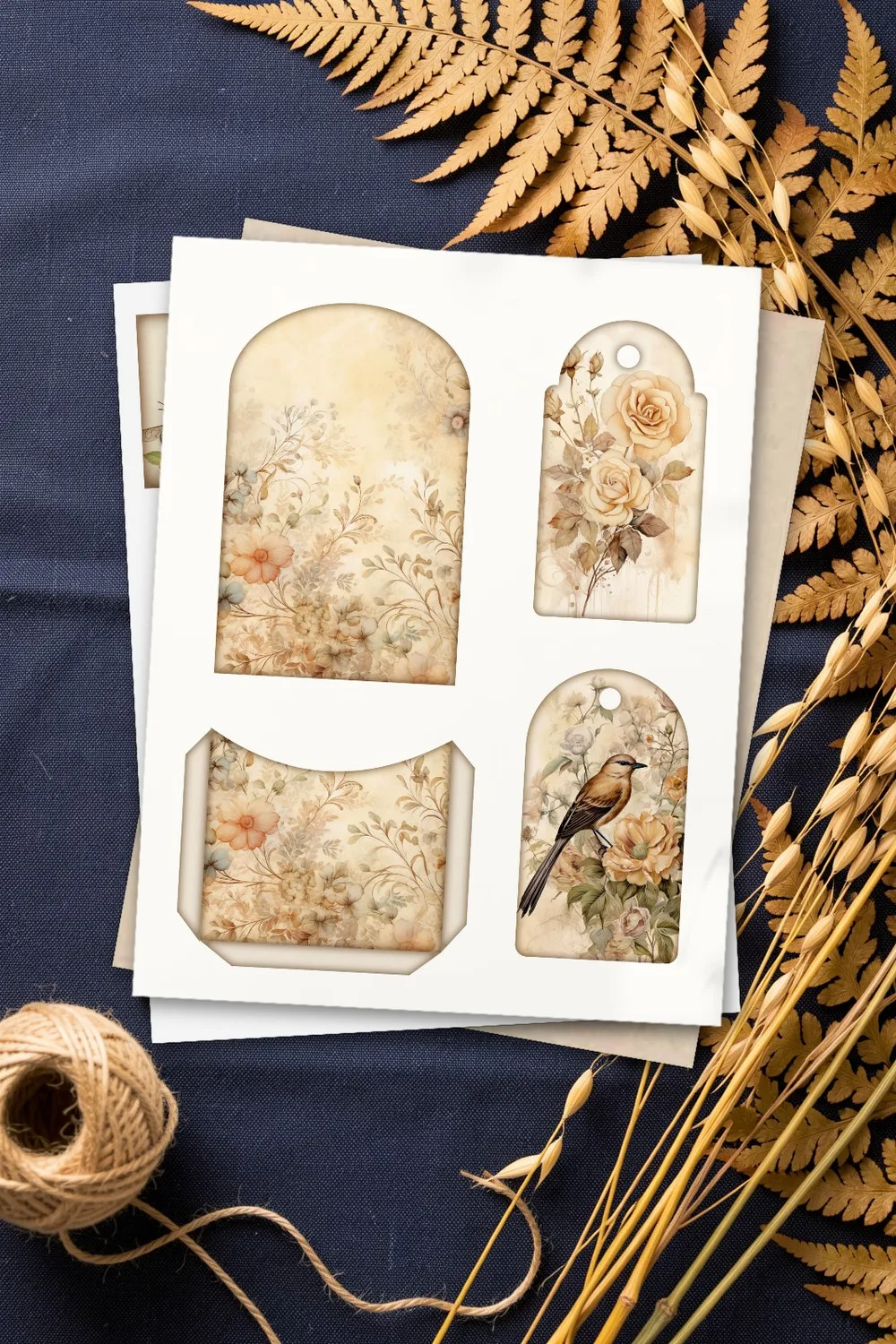
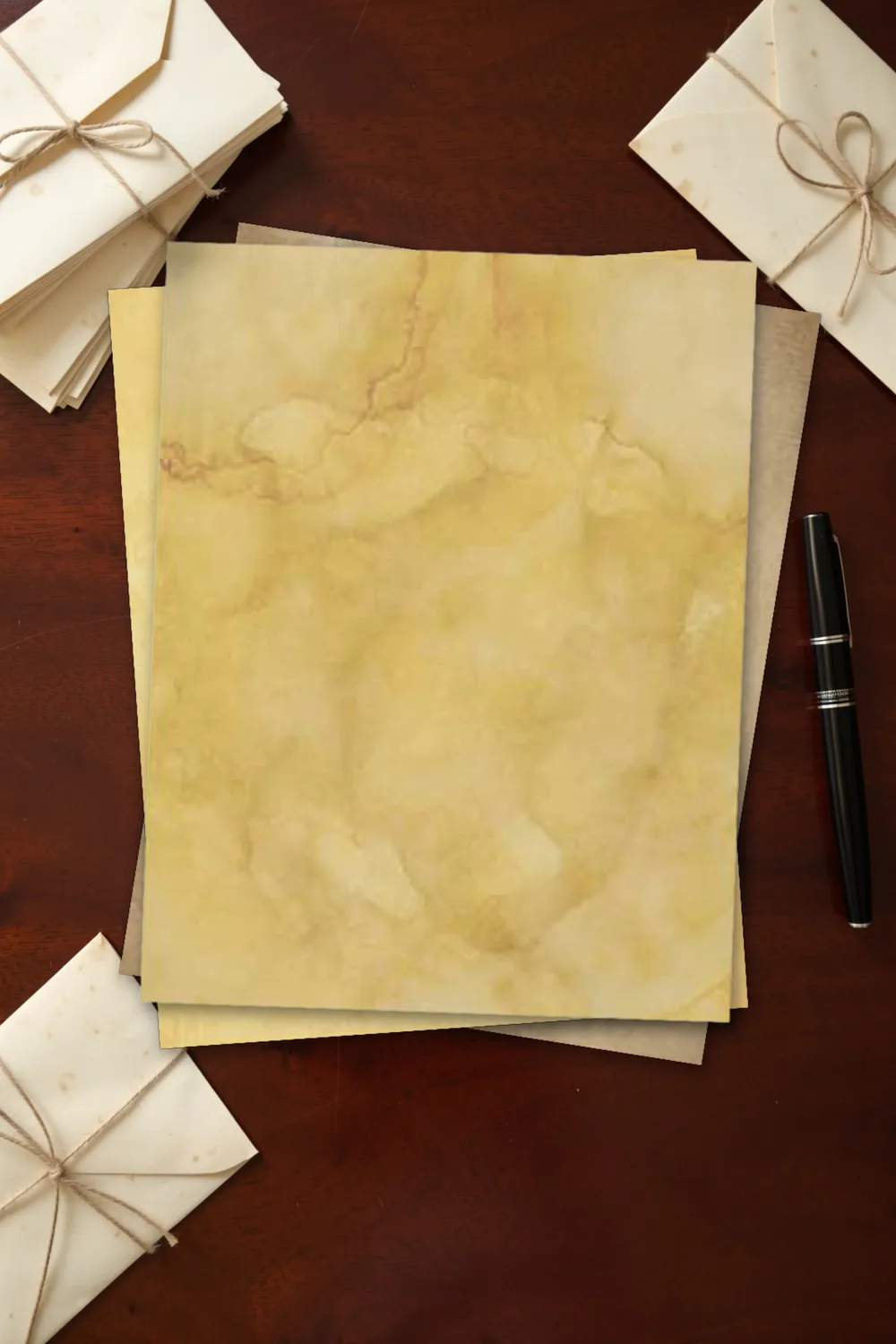
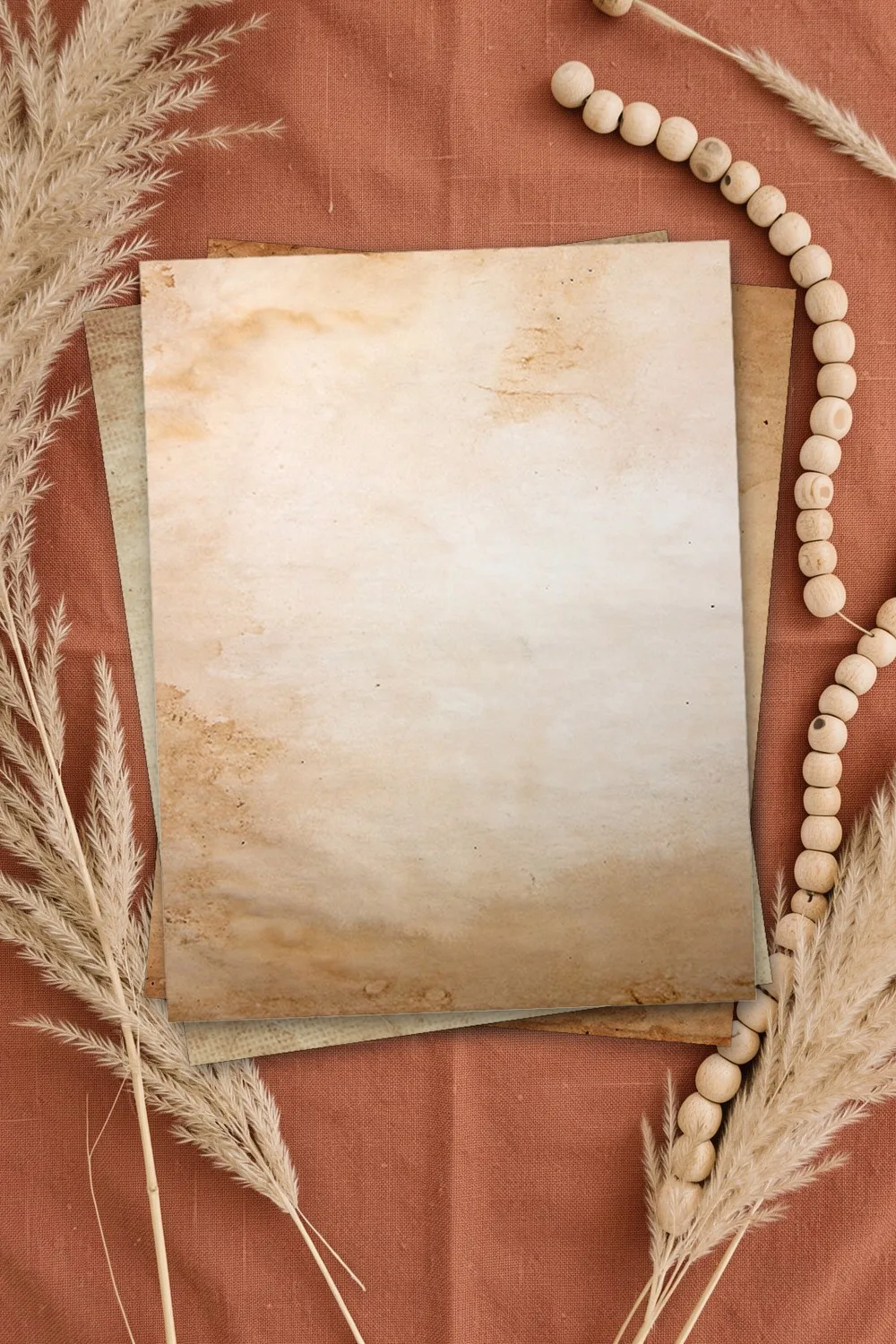
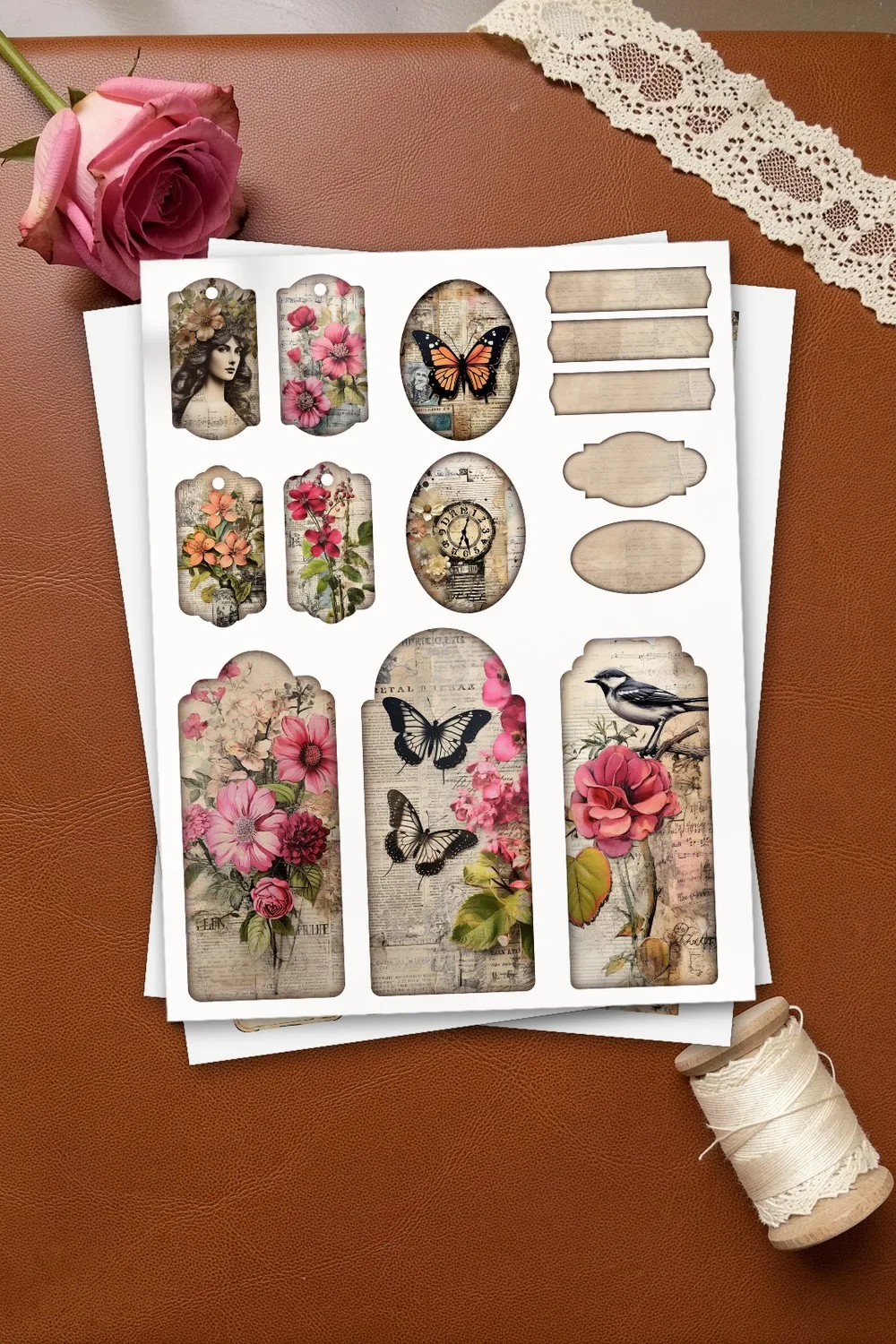
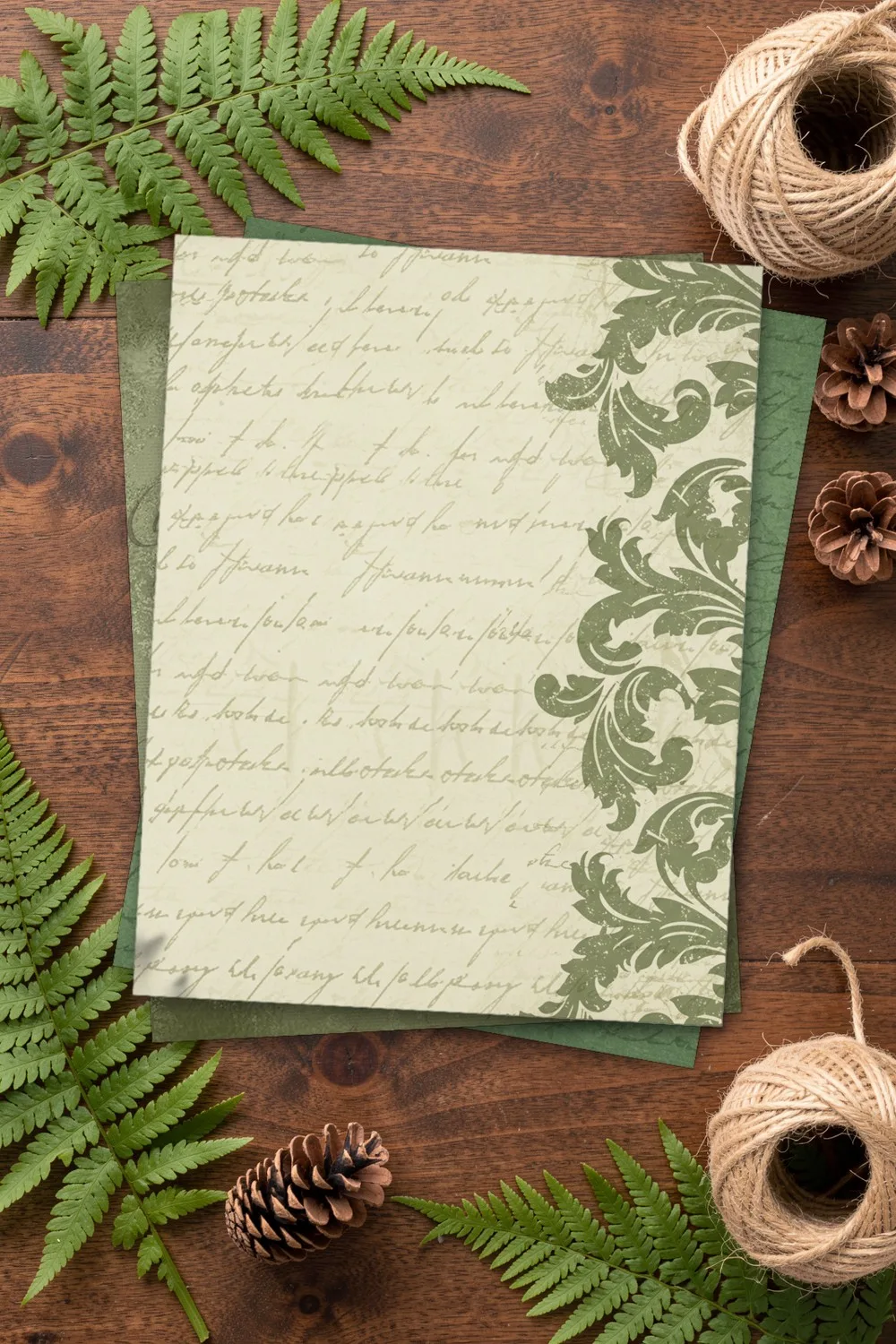
Everyday scraps are busy and colourful, so they sit best on calm, aged paper. Blank coffee-stained sheets and plain old paper textures do that job, and a vintage kit adds the pockets to hold what will not lie flat.
Memory page ideas
A memory page is slower. It usually holds one photo or one handwritten thing, and an envelope or a pocket for whatever you would rather not leave in plain sight.
- A day worth keeping. One ordinary good day: where you were, who was there, what you ate, one thing you heard.
- The house I grew up in. Sketch the floor plan from memory. Put a note about each room into the pocket.
- Recipe from someone I love. Copy the recipe by hand, keep it in an envelope and write who taught you.
- Letter to later. Write to yourself a year from now. Seal the envelope and date the flap.
- Things she used to say. One saying per tag from a grandmother, an aunt or a teacher.
- First times this year. Every first of the year so far, each on its own tag with a date.
- One person, one page. A photo, three words about them and something small they gave you.
- Small wins. One win per tag, however small. Add a new tag every time one happens.
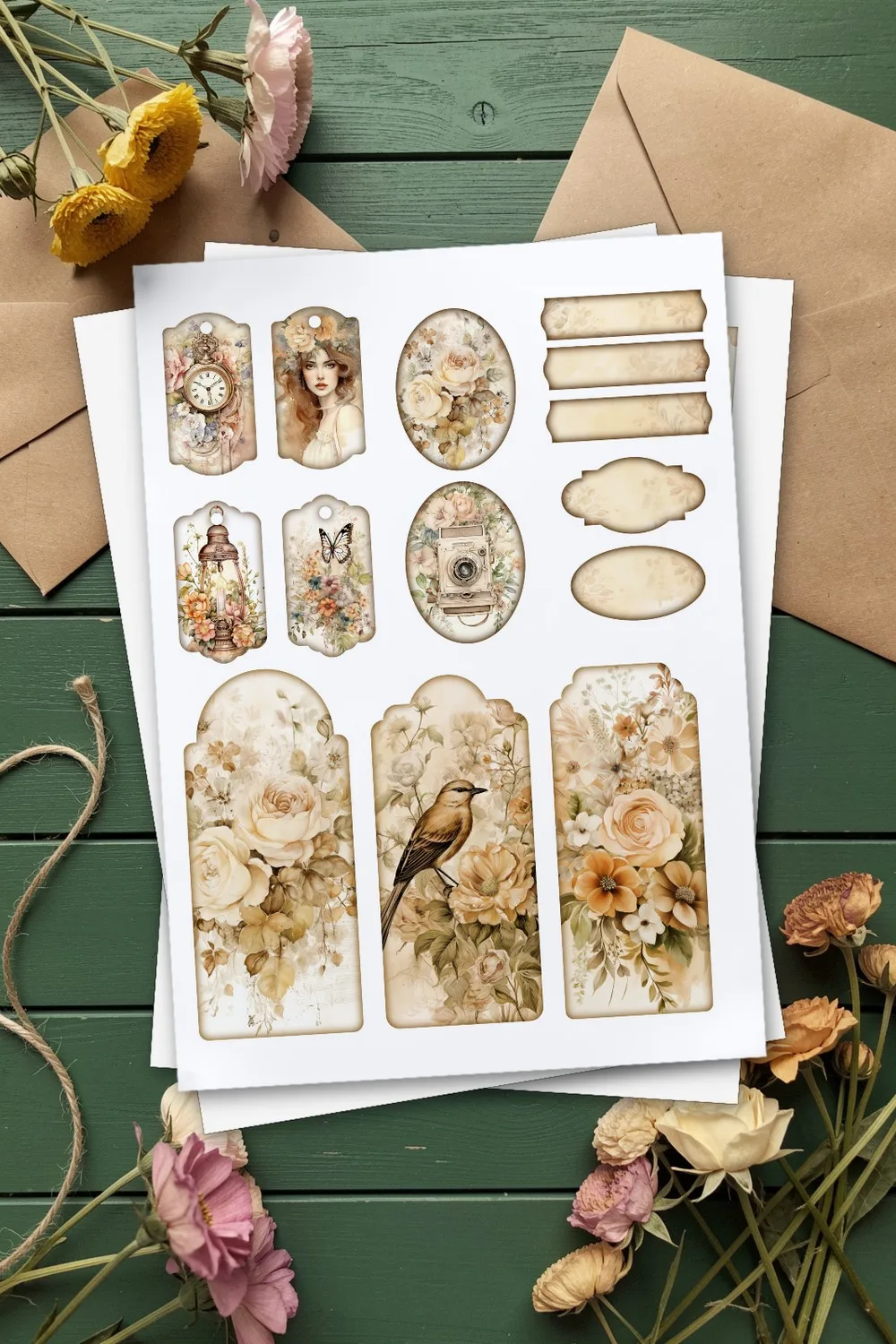
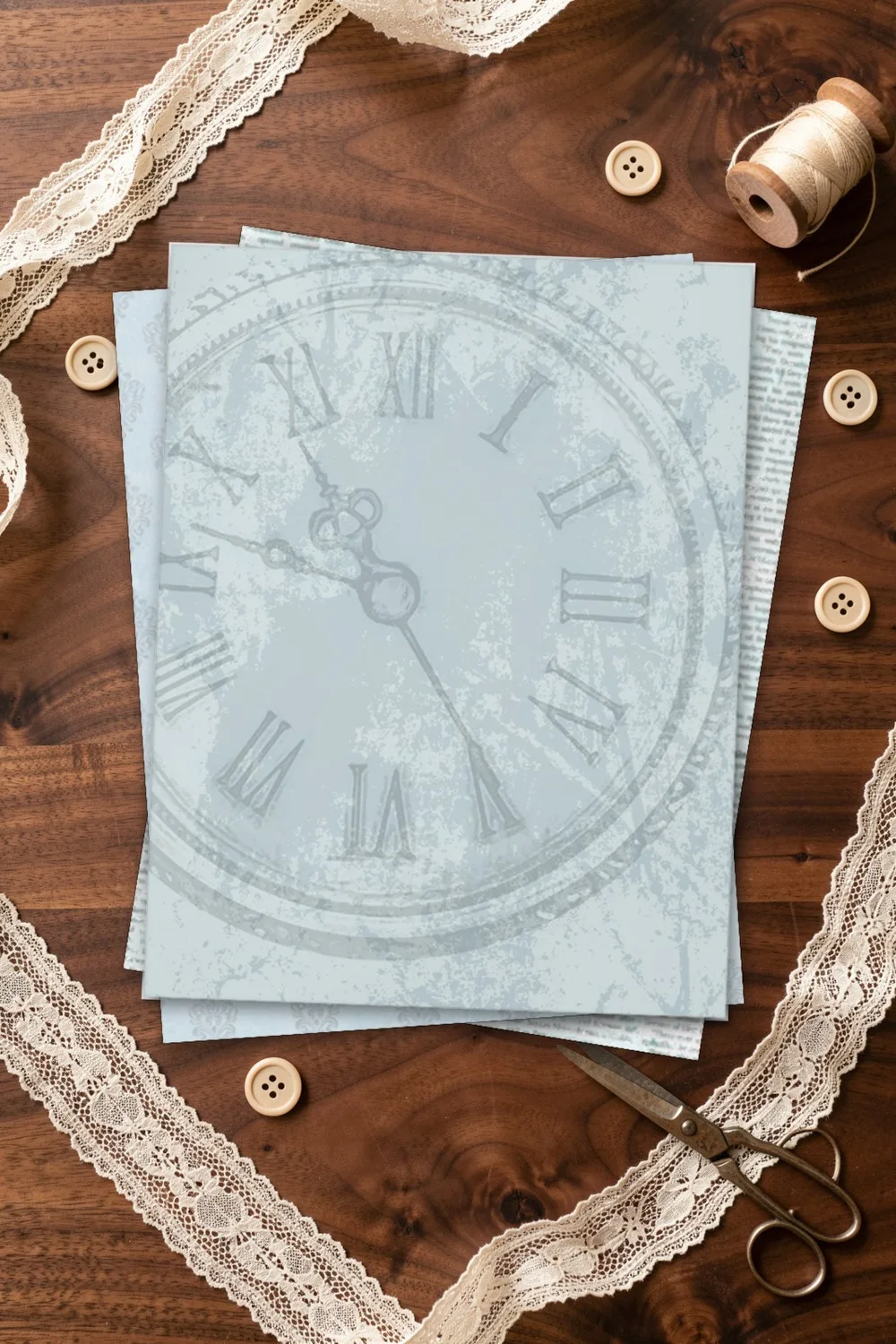
Soft colours keep the attention on the handwriting. A beige kit gives a whole journal in one colour story; light vintage sheets stay readable under ink; faded blue is the alternative when brown feels heavy.
Travel junk journal ideas
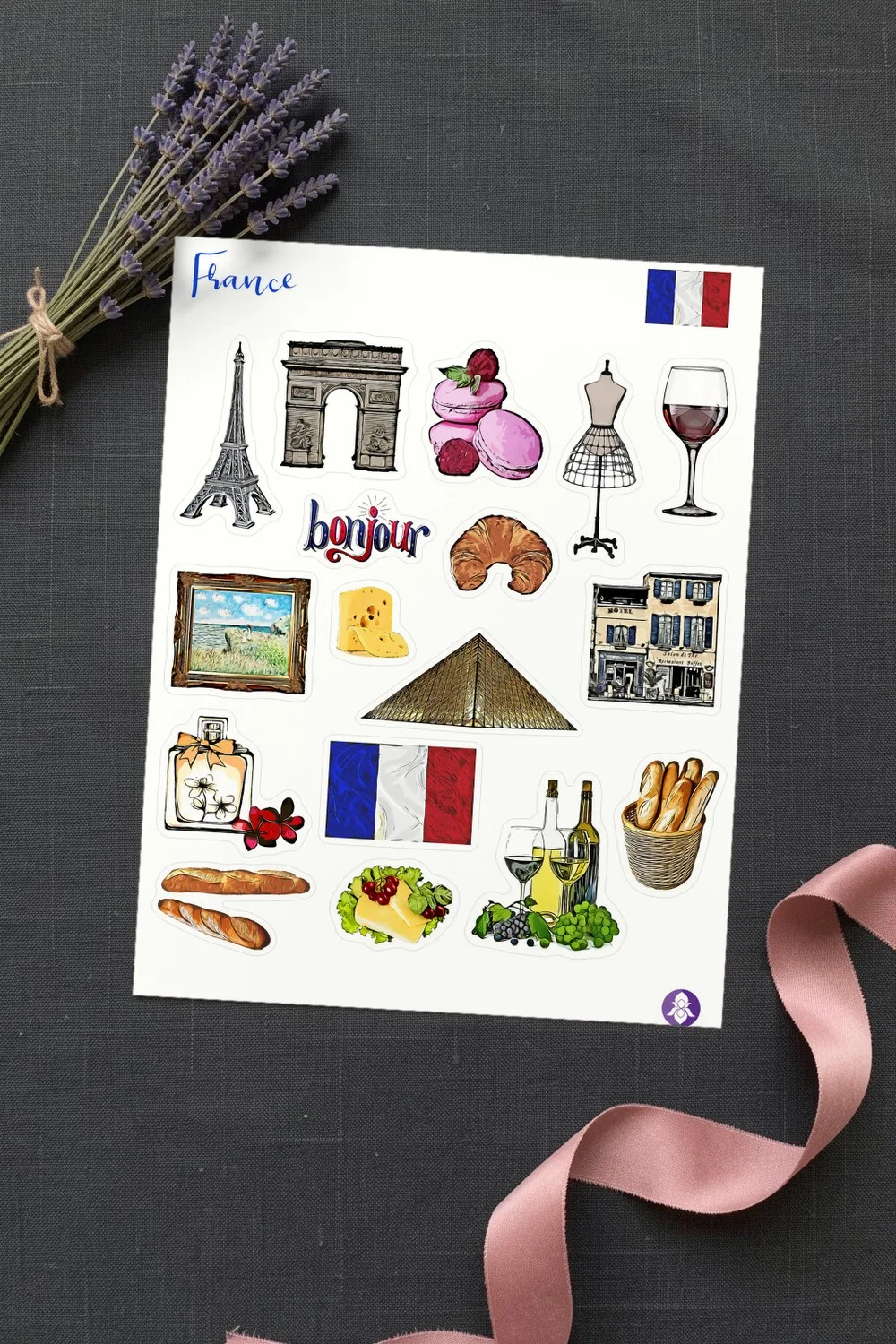
Travel pages almost build themselves, because a trip hands you paper all day long. Keep everything flat in one envelope while you are away and sort it at home.
- One day, one page. Tickets, a map corner and a receipt from a single day of the trip, in the order they happened.
- Map pocket. Fold the local map into a pocket and mark the three places you would go back to.
- What I ate there. Sugar packets, napkins, a menu corner. Write the dish you still think about.
- Things I picked up. A coaster, a leaf, a leaflet, a bus ticket: free souvenirs only.
- Boarding pass page. The pass, the luggage tag and what you were thinking at the gate.
- Postcard never sent. Write the postcard you meant to send and keep it in an envelope.
Fall junk journal ideas
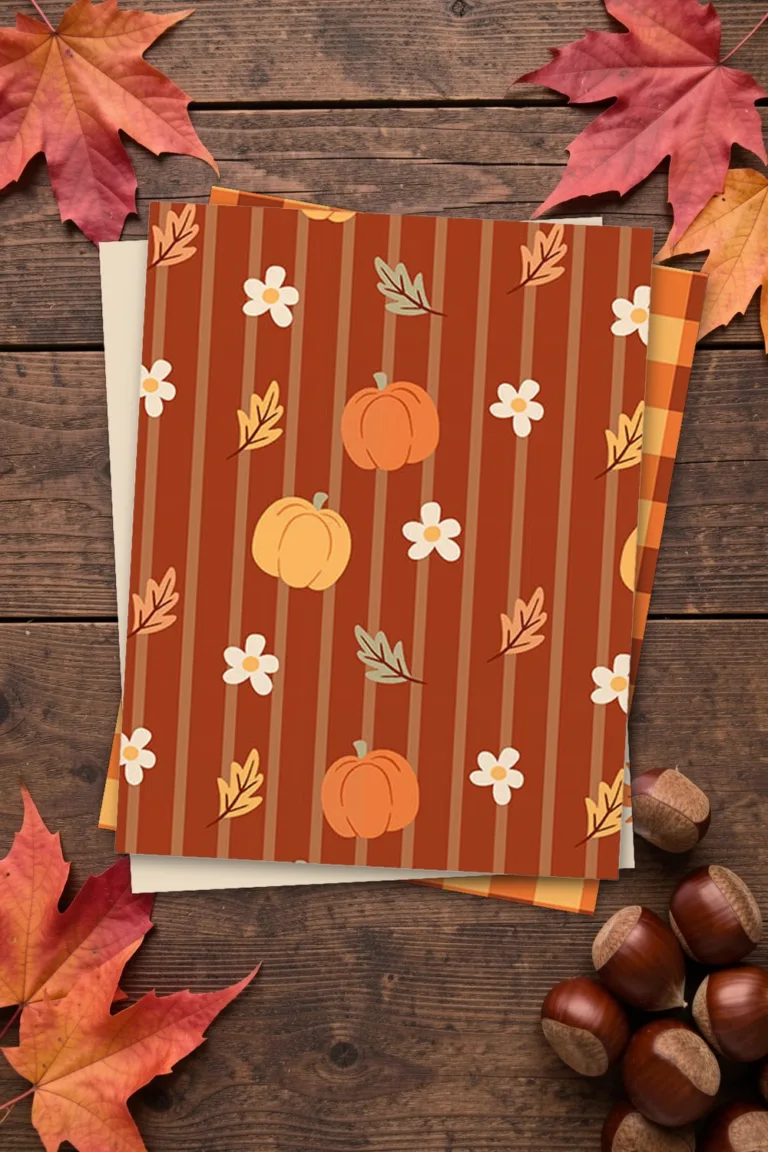
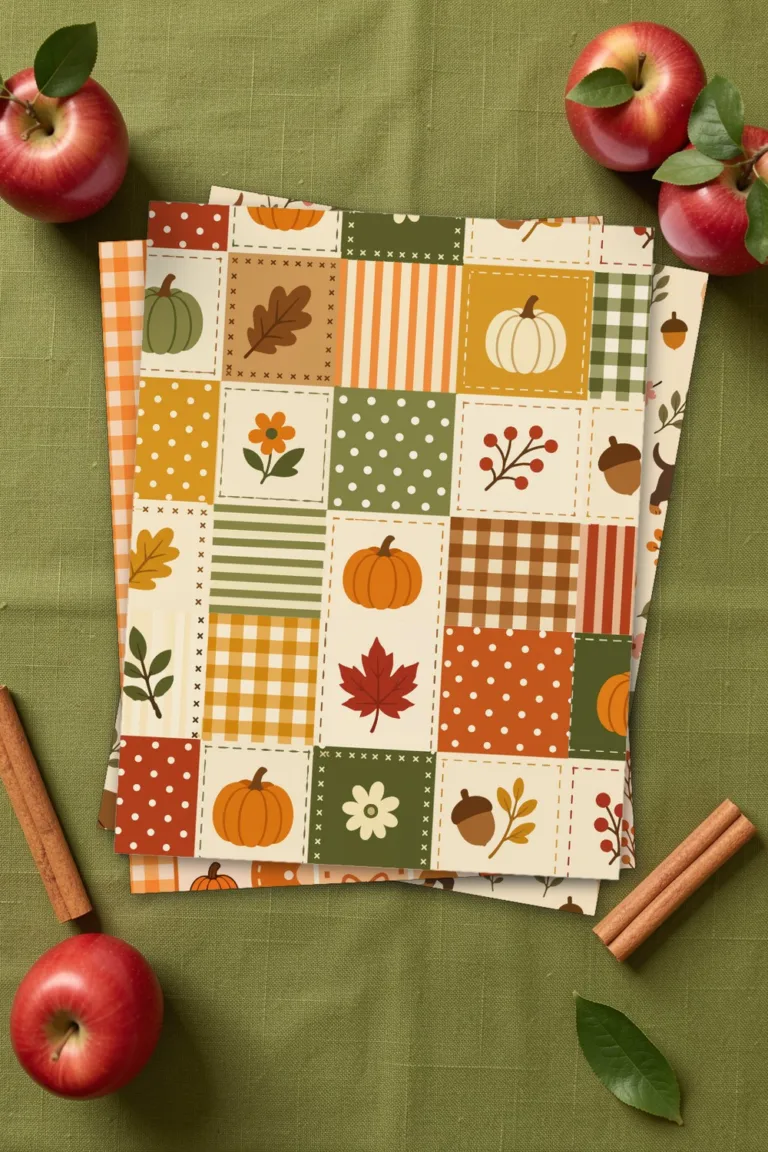
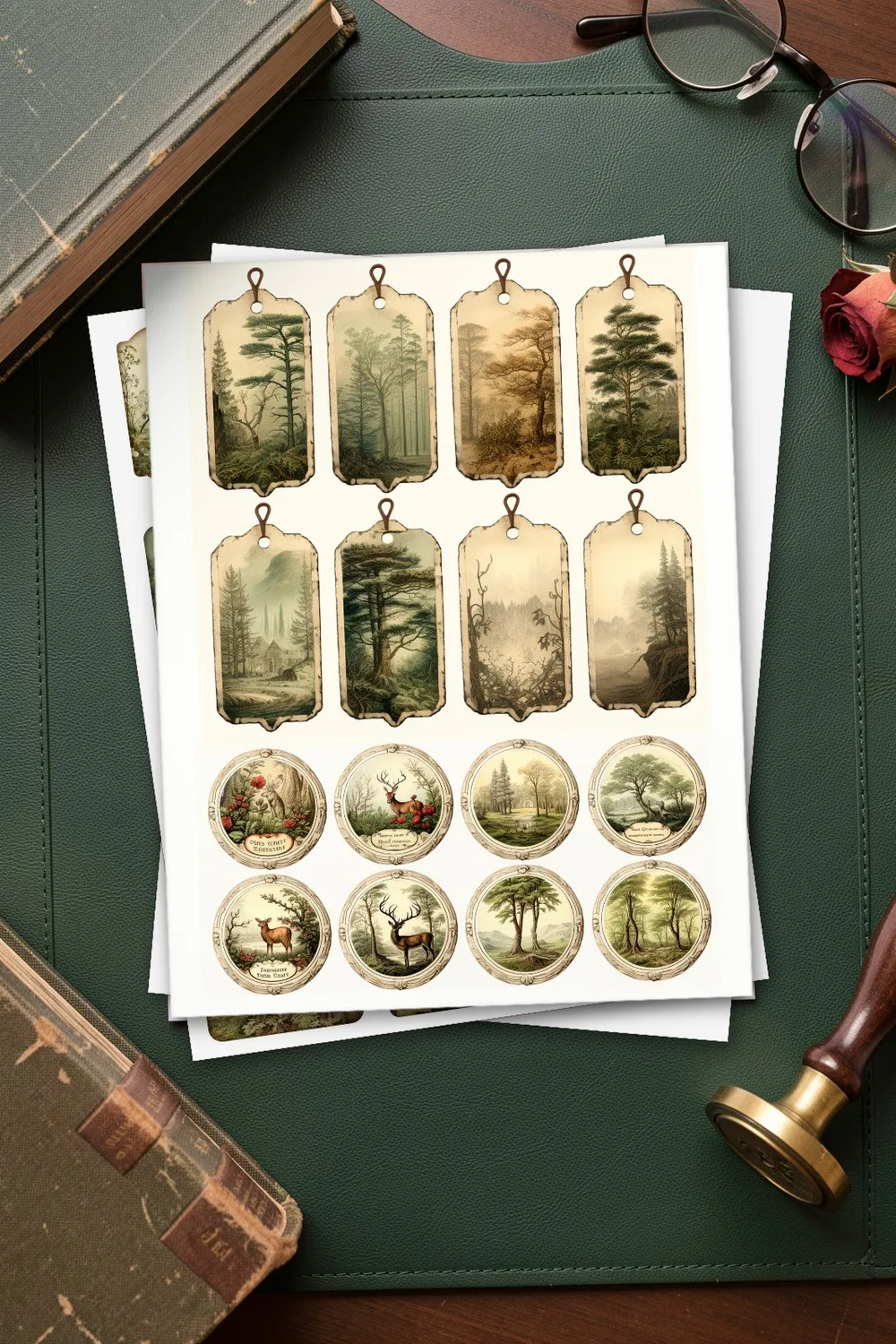
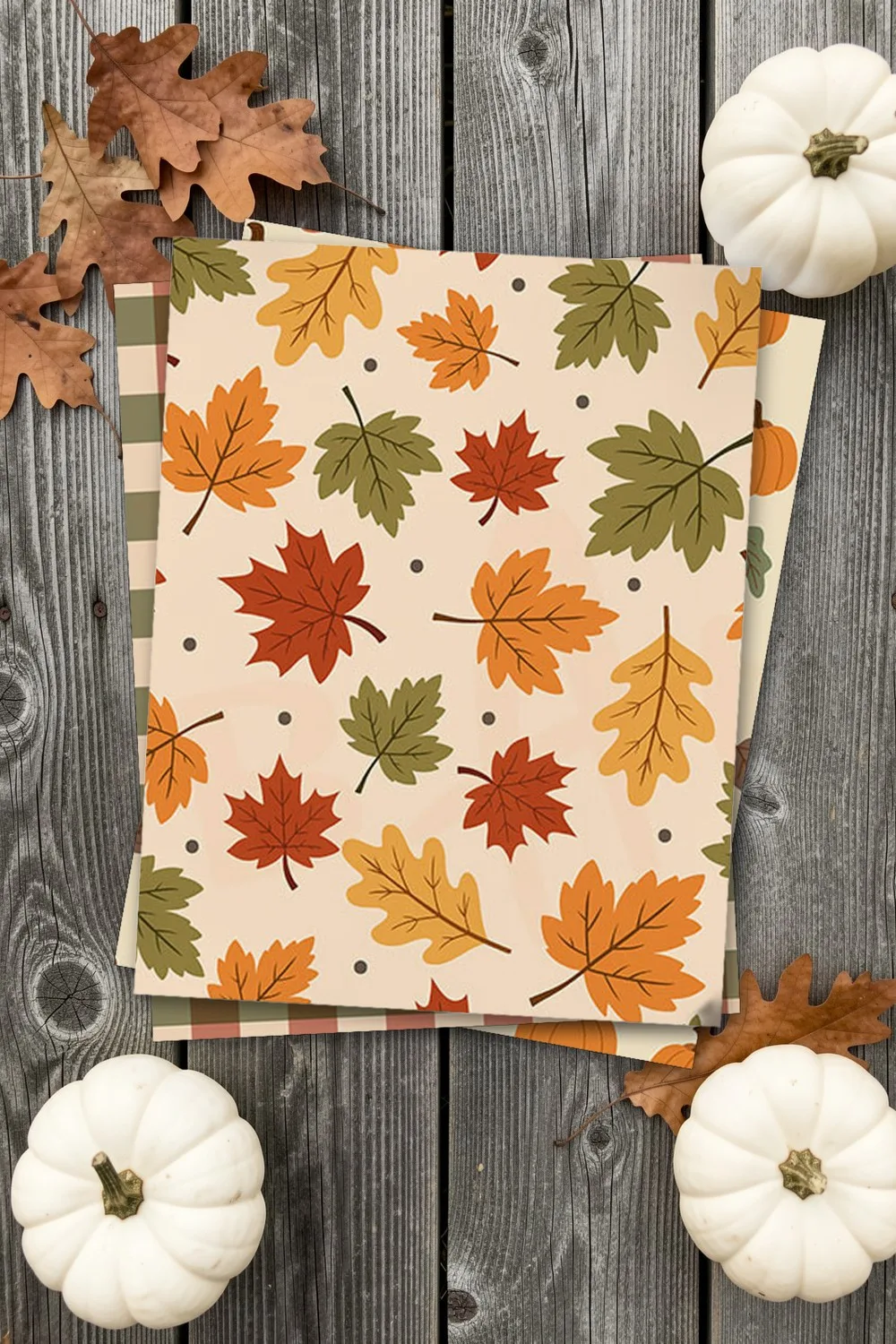
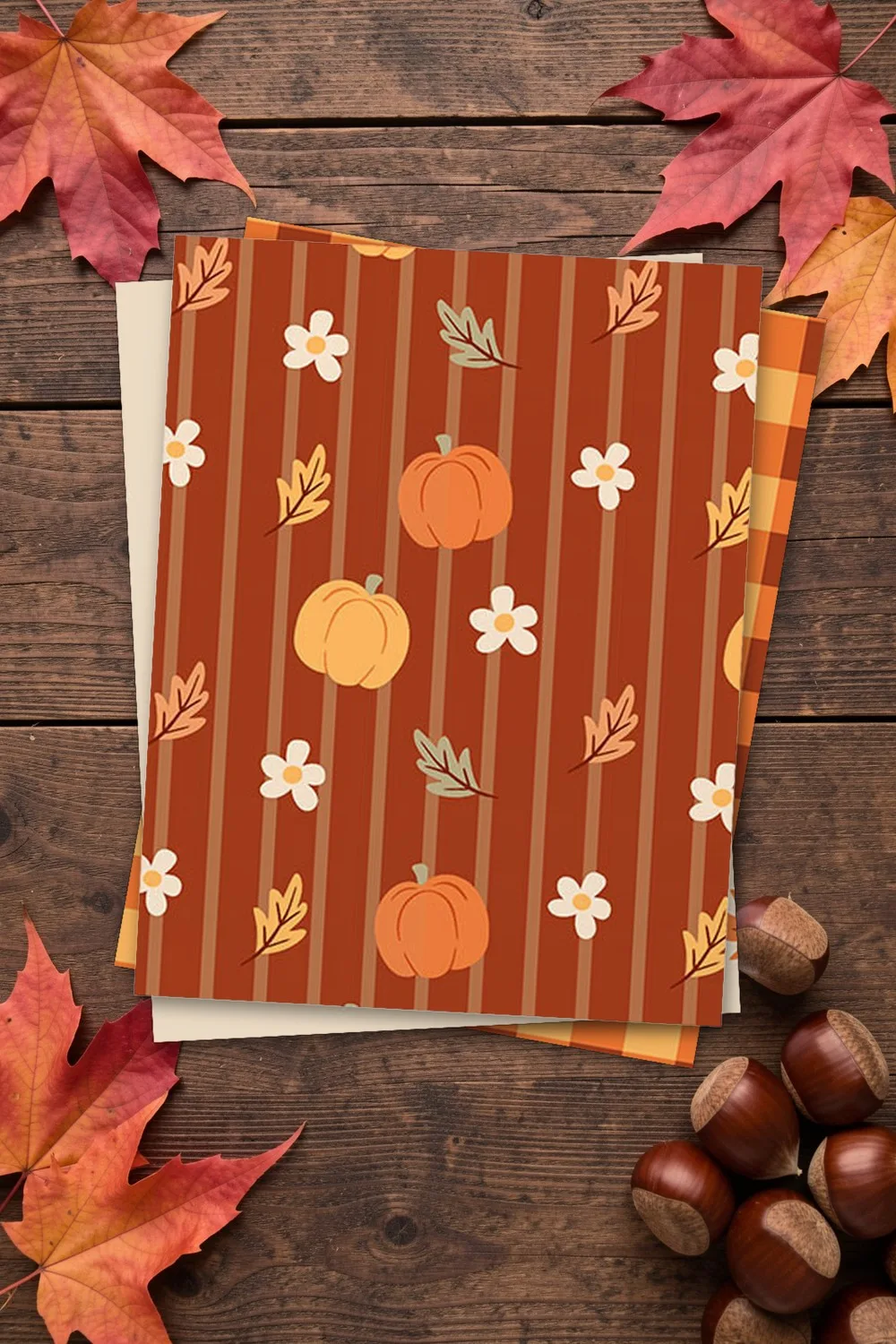
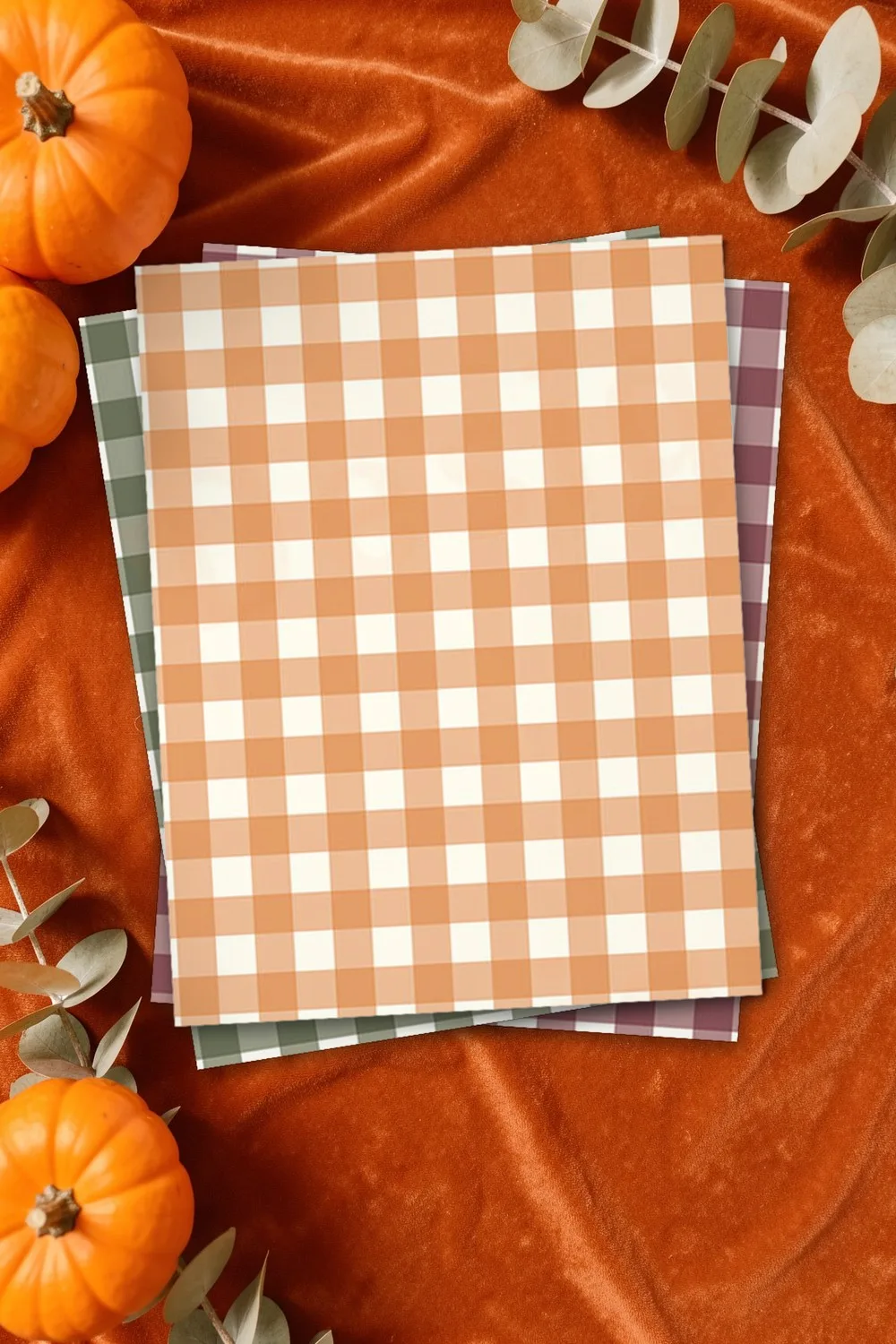
Fall is the season the hobby seems made for: pressed leaves, warm drinks and long evenings indoors.
- Autumn walk finds. Press a few leaves and keep them in a pocket. Note where each one fell.
- Soup and sweater list. Everything that makes the cold cozy: recipes, yarn labels, tea tags.
- Pumpkin patch day. A ticket or a paper bag from the day, a photo, and who carried the biggest pumpkin.
- Cozy evening log. What you read, watched and drank on five fall evenings, one tag each.
- Back to routine. Timetables, sticky notes and a list of what you want from the new season.
Christmas junk journal ideas
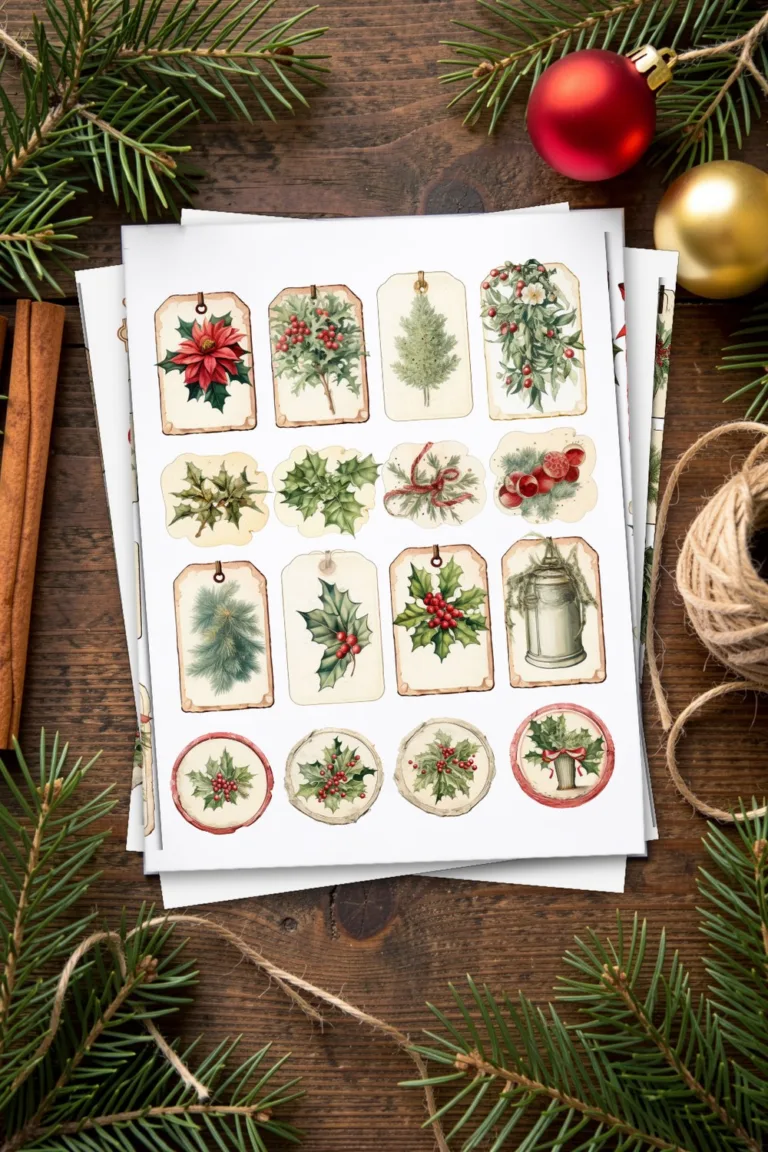
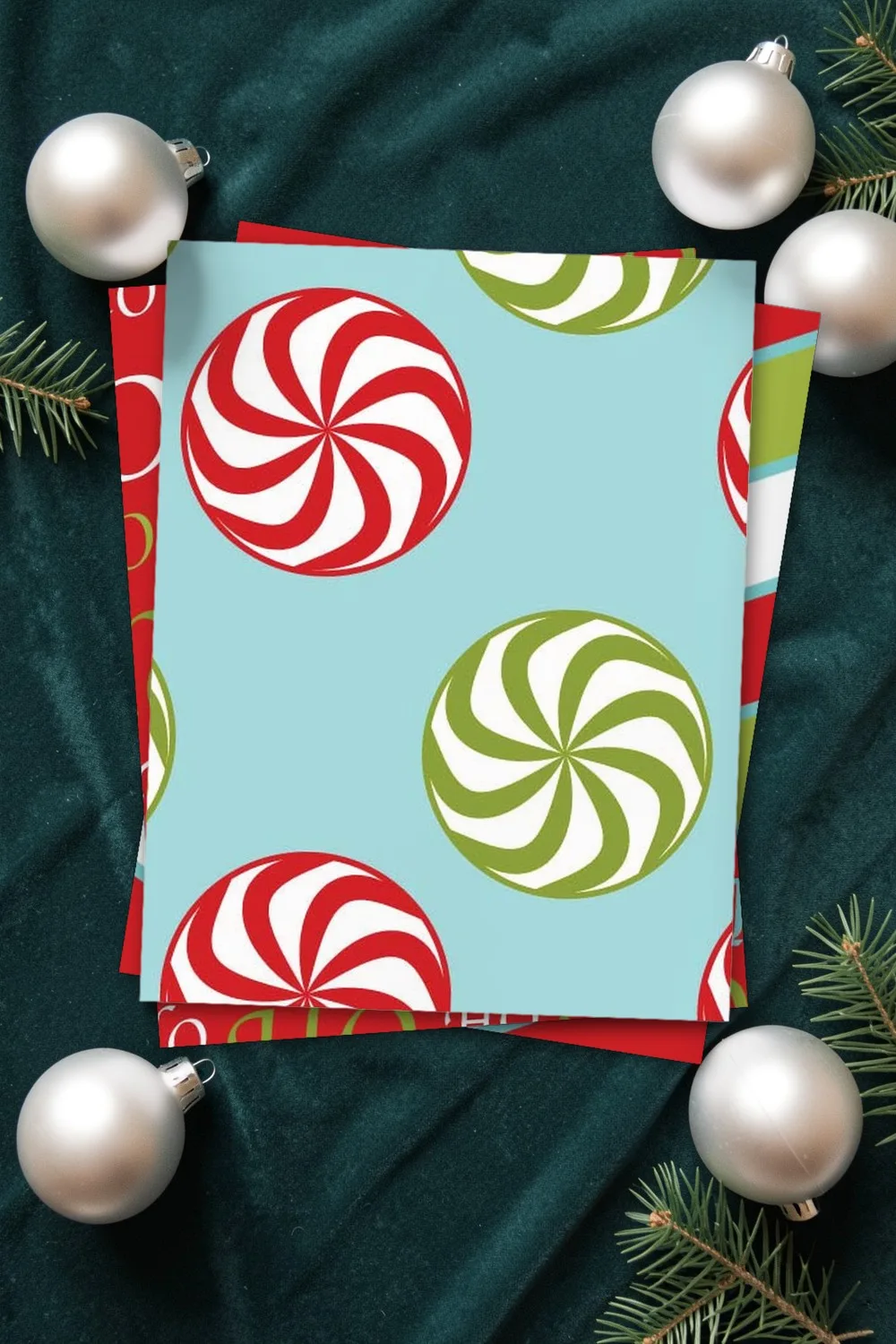
December produces more keepable paper than any other month: tags, cards, wrapping, recipes. A Christmas journal is mostly a matter of not throwing it out on the 26th.
- Gift tag keepsakes. Save the tags from the gifts you received. Under each, write what was inside.
- Christmas card corner. Cut the fronts from the cards you were sent and keep the handwritten lines.
- Wrapping paper swatches. A small square of every wrapping paper in the house this year, labelled by gift.
- December in a pocket. One small note per day in December, all in one pocket.
- Cookie recipe envelope. The family cookie recipe on a card in an envelope, flour marks welcome.
- Letter to next December. What you want to remember and what to do differently. Seal it until next year.
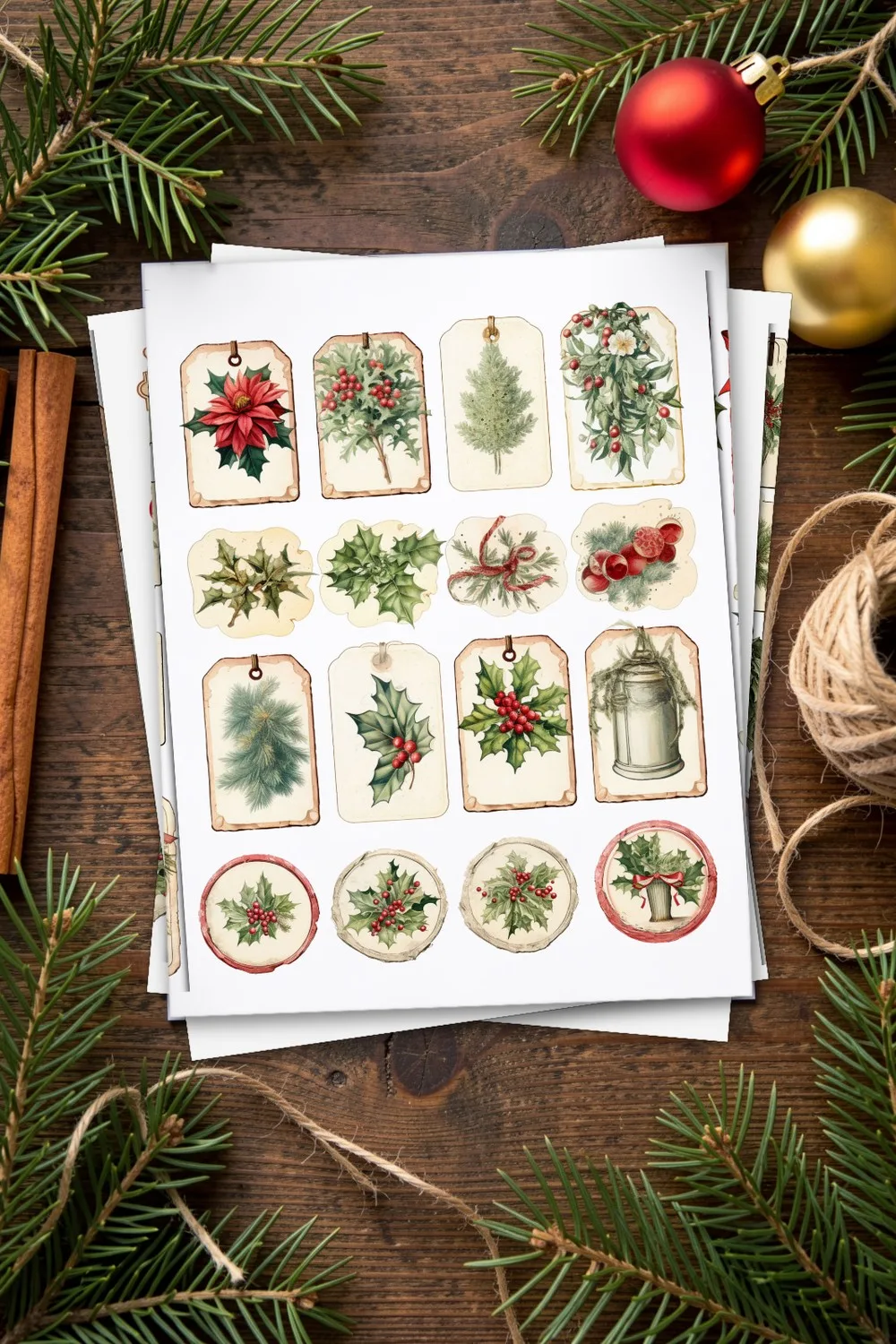
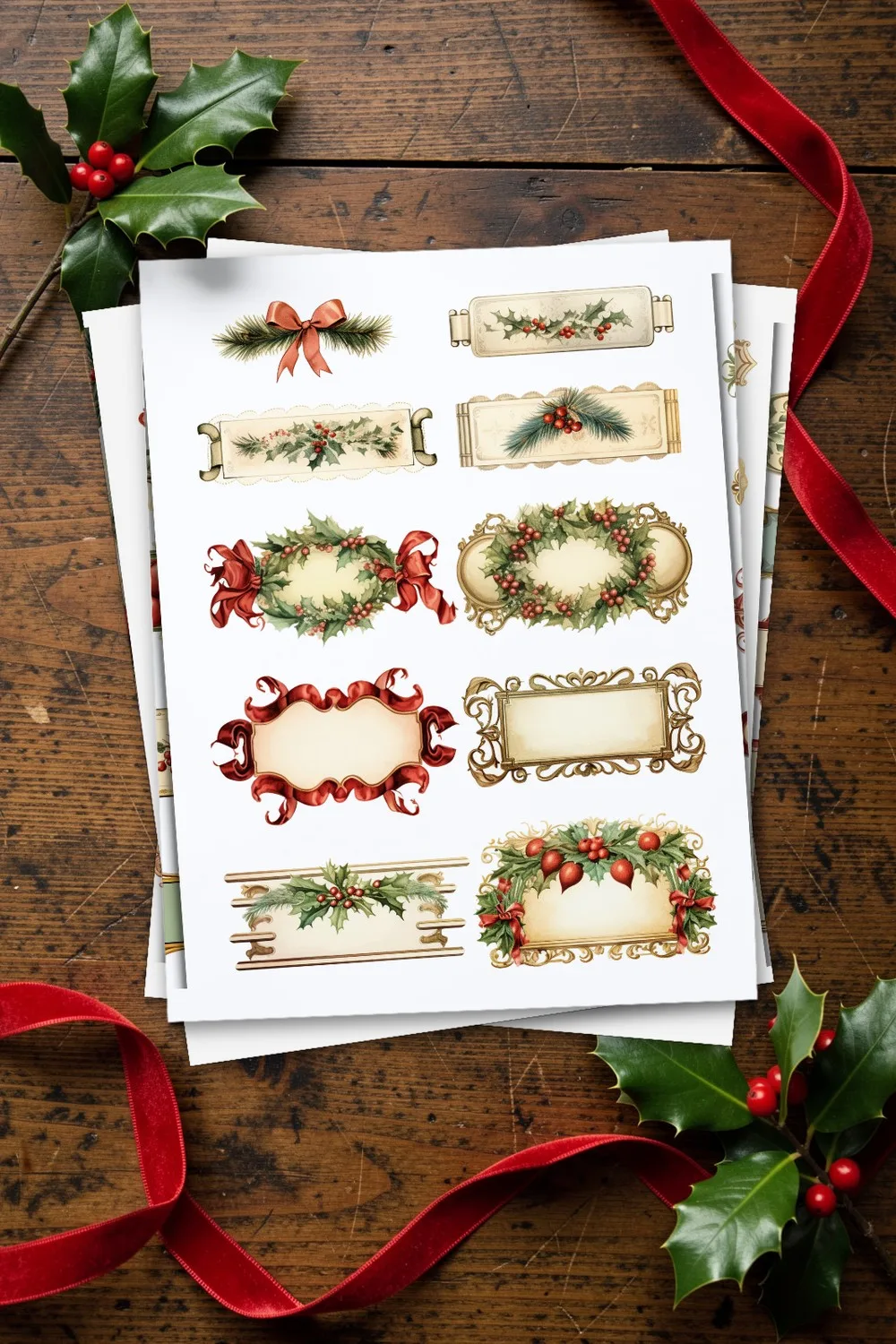
More sets and a plan for the month are in Christmas Junk Journal Printables: Tags, Labels & Paper.

Winter junk journal ideas
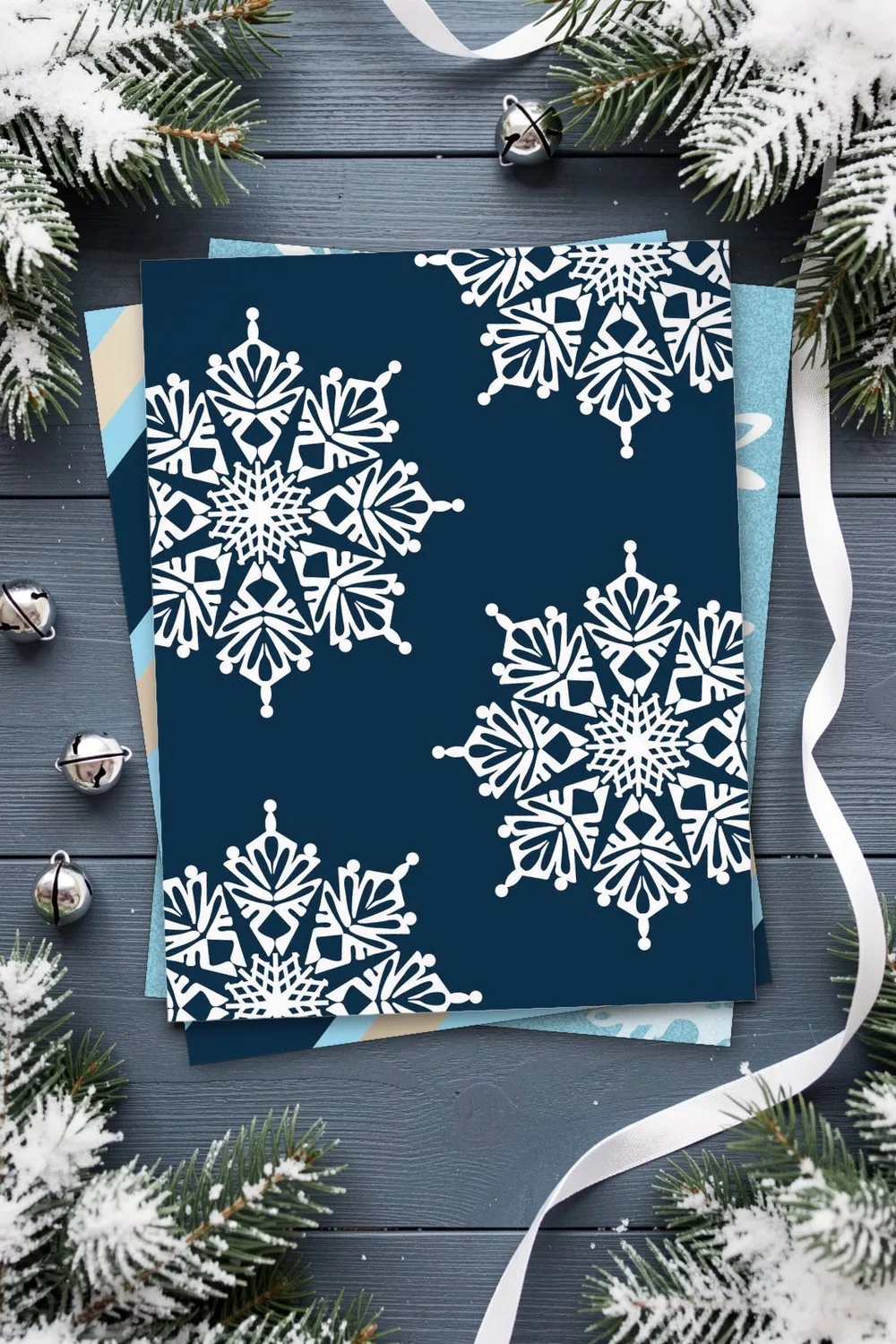
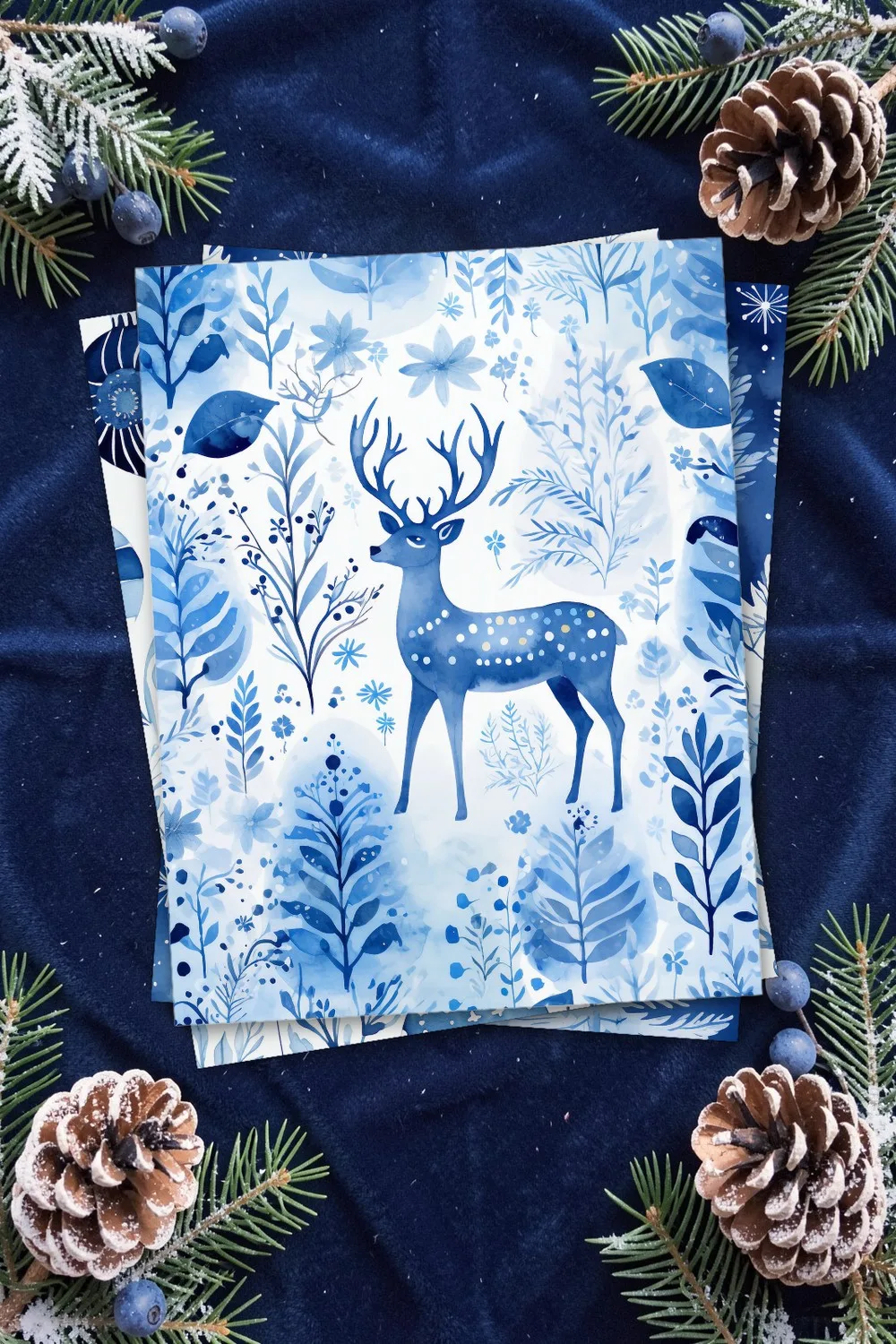
After the holidays the palette cools down to blue, white and a little gold.
- Snow day log. What the window looked like, what you wore and what you made to eat.
- Hot drink tasting. Cocoa, tea, mulled anything: packet corners and a score for each.
- Things that kept me warm. Yarn labels, a matchbook, a blanket tag and the person who shared it.
- New year in ten tags. Ten things you hope for, one per tag. Read them again in December.
Spring junk journal ideas
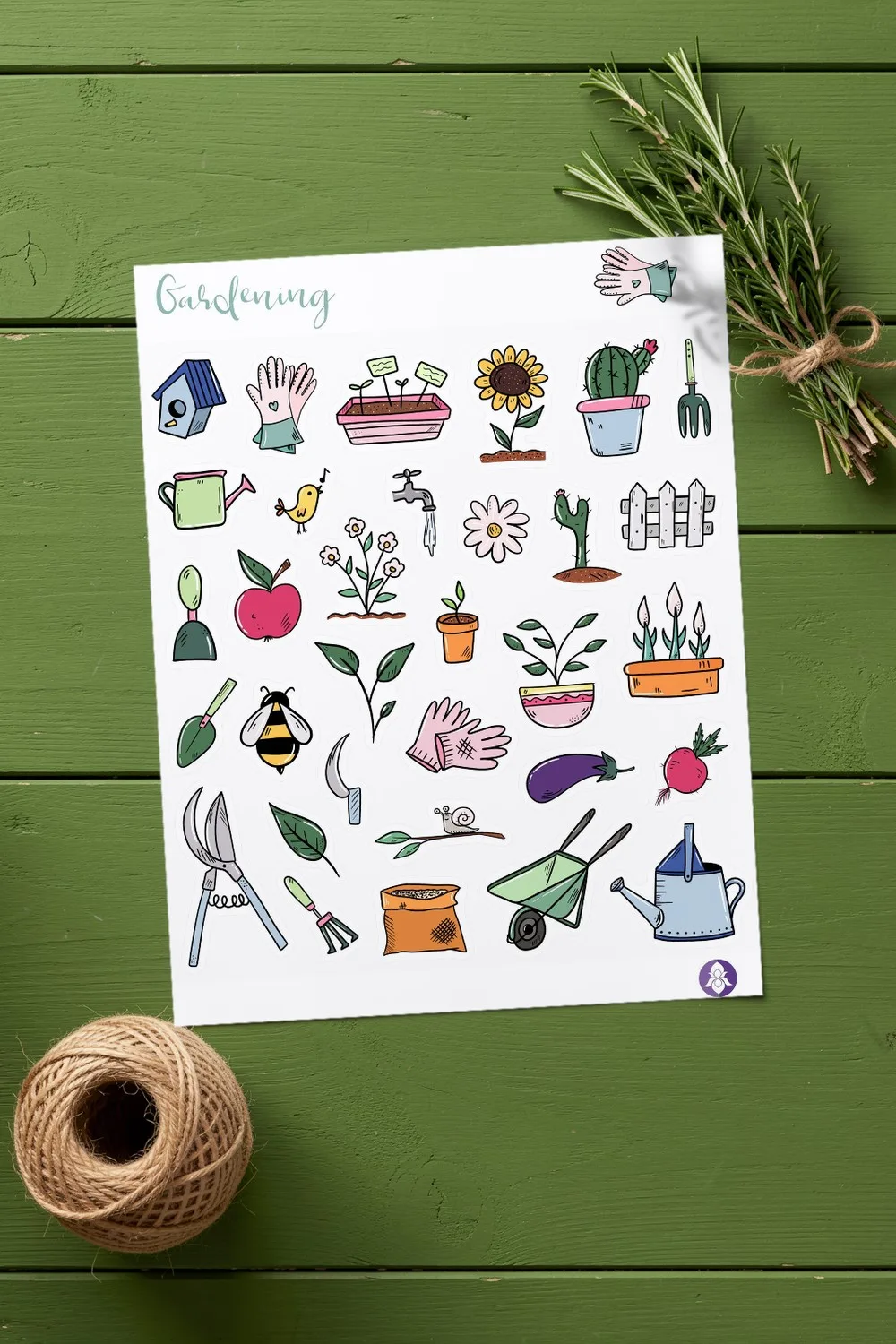
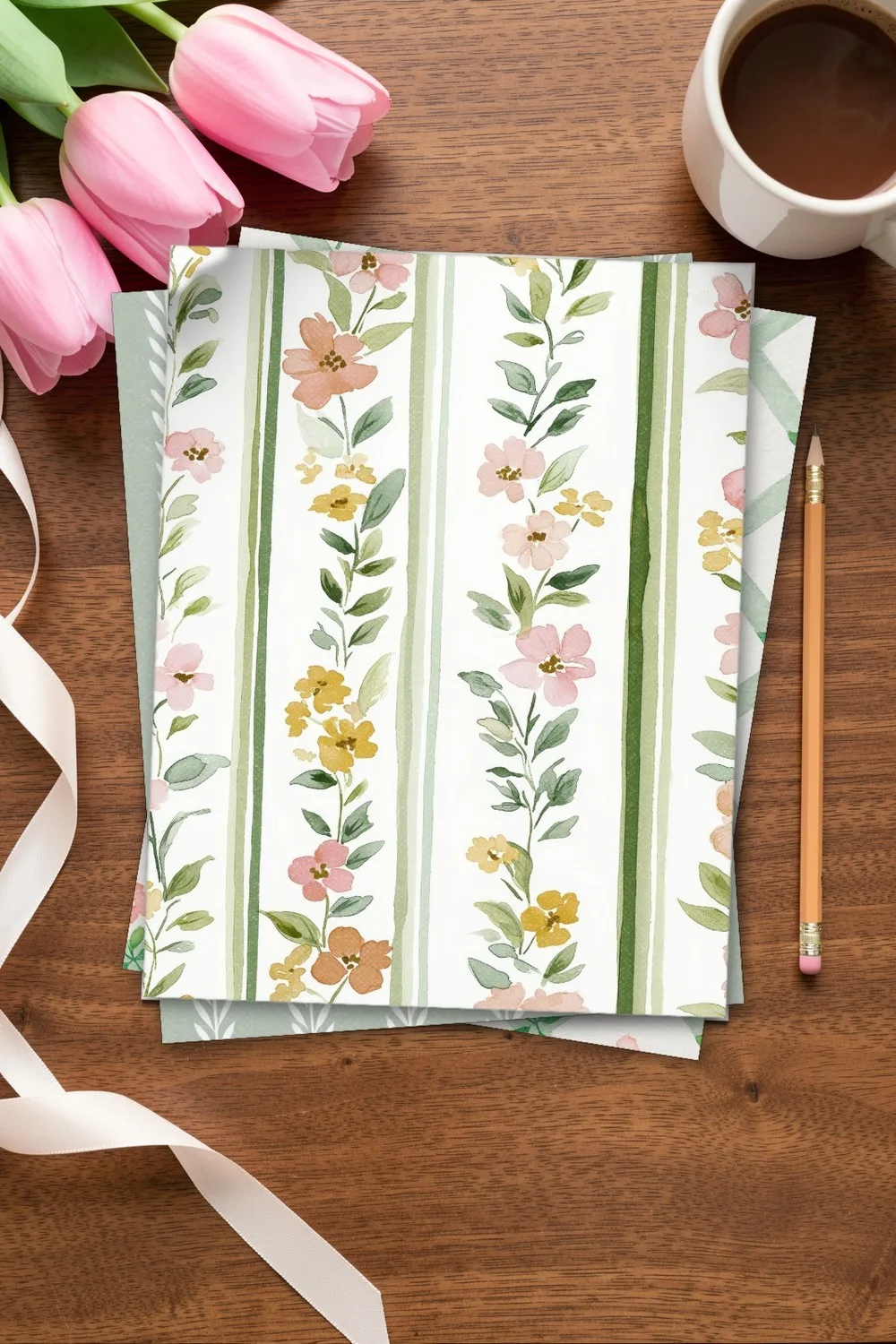
Spring pages are about the first of everything: the first flowers, the first seeds, the first evening with the window open.
- Seed packet page. Empty seed packets with the date you planted and what came up.
- First flowers. Press the first flowers you find and write where they were growing.
- Spring cleaning finds. The best forgotten things from the back of a cupboard, flat ones only.
- View from my window. Sketch or photograph the same window four weeks in a row.
Summer junk journal ideas
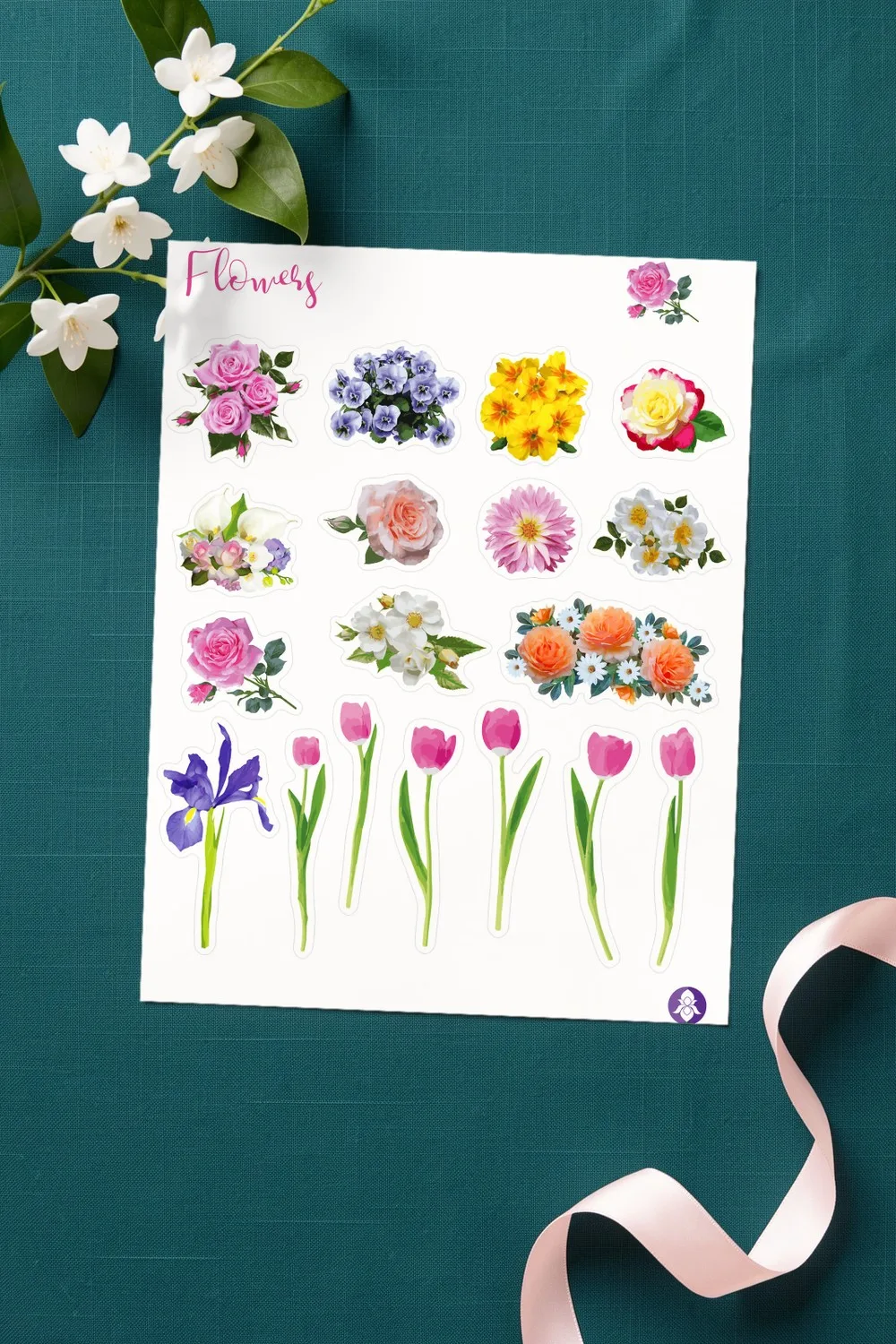
Summer finds are small and sticky: wrappers, fruit stickers, a ticket stub from the pool.
- Ice cream ledger. Every flavour of the summer with wrappers, napkins and a score.
- Park and beach finds. A feather, a pressed flower, a ticket stub, sand in a tiny glued envelope.
- Market haul. Fruit stickers, paper bags and the name of the stall you will go back to.
- Long evening list. What you did with the extra daylight, one line per evening.
How to turn an idea into a spread
An idea tells you what goes on the page. A layout tells you where. Four simple ones cover most of the list above:
- A slanted pocket and a tag. Paper on both pages, a pocket glued by its tabs along the bottom of the right page, the tag and your finds slipped inside.
- An envelope and a corner tuck. The envelope holds what is private; a card slides under the corner on the facing page.
- Two corner tucks and a tag. Two corners hold a photo or a large scrap without glue, so you can take it out again.
- A mini folder and a wide pocket. The pocket takes the big finds and lets them stick out; the folder keeps the small ones.
Pockets, envelopes, tags and corner tucks can be cut from any printed sheet. The Envelope & Pocket Template Maker draws the outline in the size of your journal: print it on the back of a patterned page, cut along the line and fold.
What to print for junk journal pages
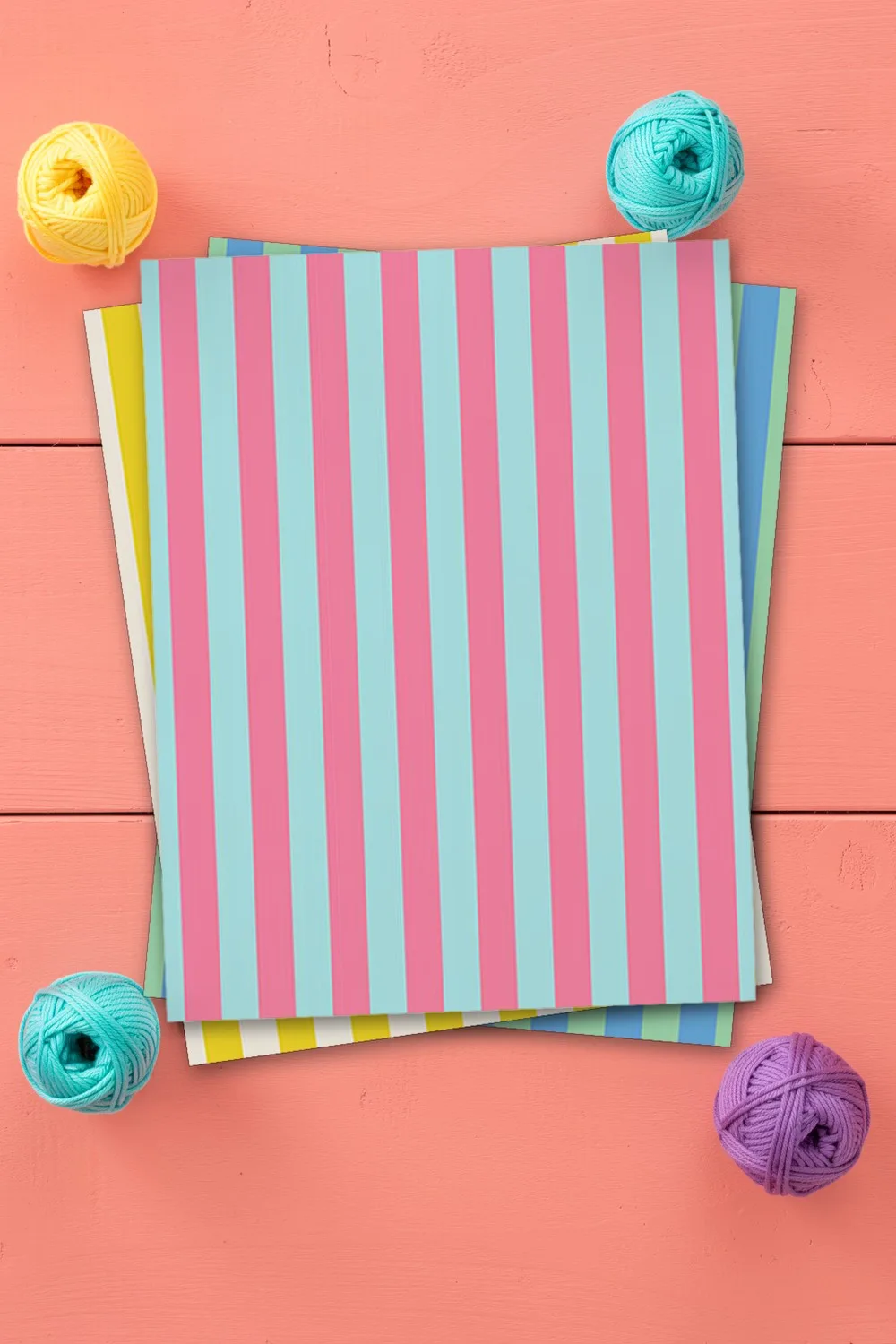
- Background pages. Plain aged paper or a quiet pattern, one sheet per page of the journal. Ordinary printer paper is enough, and it folds without cracking.
- Pieces that fold. Envelopes and pockets hold their shape better on slightly heavier matte paper.
- Tags, cards and labels. Print these on light cardstock so they survive being pulled in and out of a pocket.
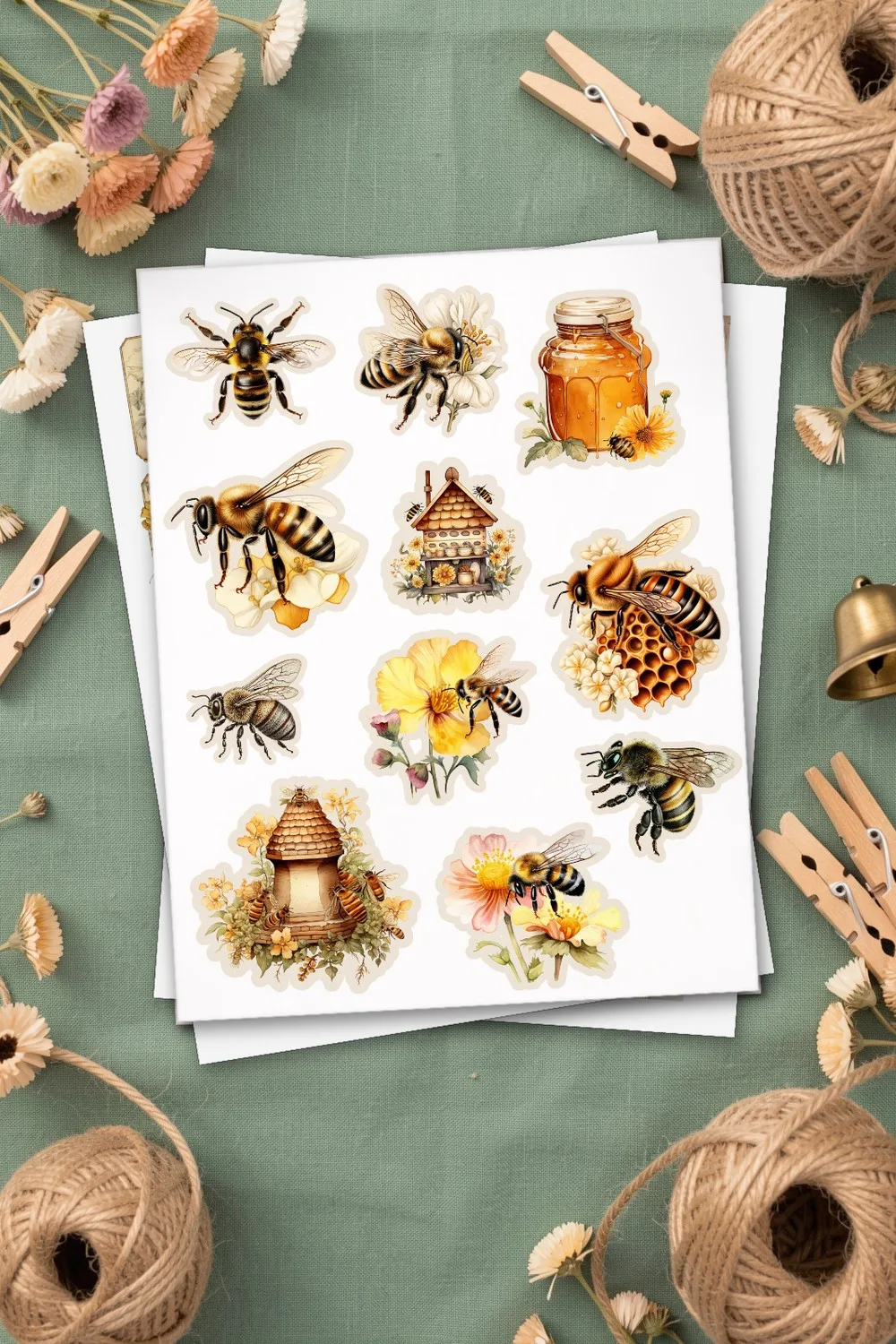
- Stickers. Print on sticker paper, or on plain paper and use a glue stick.
Print one test page before a whole set, and choose 100% or “Actual size” when the scale of the pattern matters.
Questions about junk journal ideas
What do you put in a junk journal?
Anything flat that would otherwise be thrown away: receipts, tickets, tags, labels, envelopes, wrappers, pressed leaves, pages from damaged books. Printed paper, tags and pockets hold it together and give the page a background.
Do I need to be able to draw?
No. Most of the ideas above are about collecting and arranging. One handwritten line next to the scraps is enough.
What size should a junk journal be?
A5 and half letter are the common sizes, because a Letter or A4 sheet folded in half makes two pages. Smaller journals such as A6 use the same sheets cut down.
How many pages should I plan?
Start with one signature: four or five sheets folded in half and stitched or stapled at the fold. That gives sixteen to twenty pages, enough for a month of small pages.
Keep going
The printable sets on this page are made by independent designers and hosted on Creative Fabrica. Downloading is free with their free trial: a payment card is needed to start it, and you can cancel the subscription at any time. Each set has its own page here with every sheet shown before you download.
PNG DIY may earn a commission when you sign up with Creative Fabrica through the links on our pages, at no cost to you. See our affiliate disclosure.